

Refresher Training: More Than a Tick Box
Refresher training is not just about renewing a certificate or meeting a workplace requirement. It is about making sure workers still have the knowledge, confidence, and practical skills to carry out their work safely.
In busy workplaces, it is easy for training records to sit in the background until someone asks for them. But safety training should not only be looked at when a certificate is about to expire, a contract requires evidence, or an incident has already happened.
WorkSafe New Zealand makes it clear that workers need the right information, training, instruction and supervision to protect them from health and safety risks at work. They also note that training should be suitable for the nature of the work, the risks involved, and the control measures in place.
That is where refresher training plays an important role.
Why Refresher Training Matters
Even experienced workers can benefit from refreshing their skills. Over time, procedures change, equipment gets updated, workplace risks shift, and people can develop habits that may not be the safest way of working.
Refresher training brings key information back to the front of mind. It gives workers the opportunity to revisit safe work practices, ask questions, confirm expectations, and practise skills in a structured environment.
It also helps employers and managers check that workers remain competent for the tasks they are carrying out. A certificate may show that someone completed training at a point in time, but ongoing competency is built through continued practice, supervision, workplace procedures, and refresher training when required.
At Training 4 Safety, we see refresher training as a practical way to help workers stay current, confident, and aware of the risks connected to their role.
Training Should Match the Work Being Done
One of the key points from WorkSafe guidance is that training, instruction and supervision should be suitable and adequate for the work being carried out. This means training should reflect the nature of the job, the level of risk, the equipment being used, and the controls already in place.
In other words, refresher training should not be generic or treated as a box-ticking exercise.
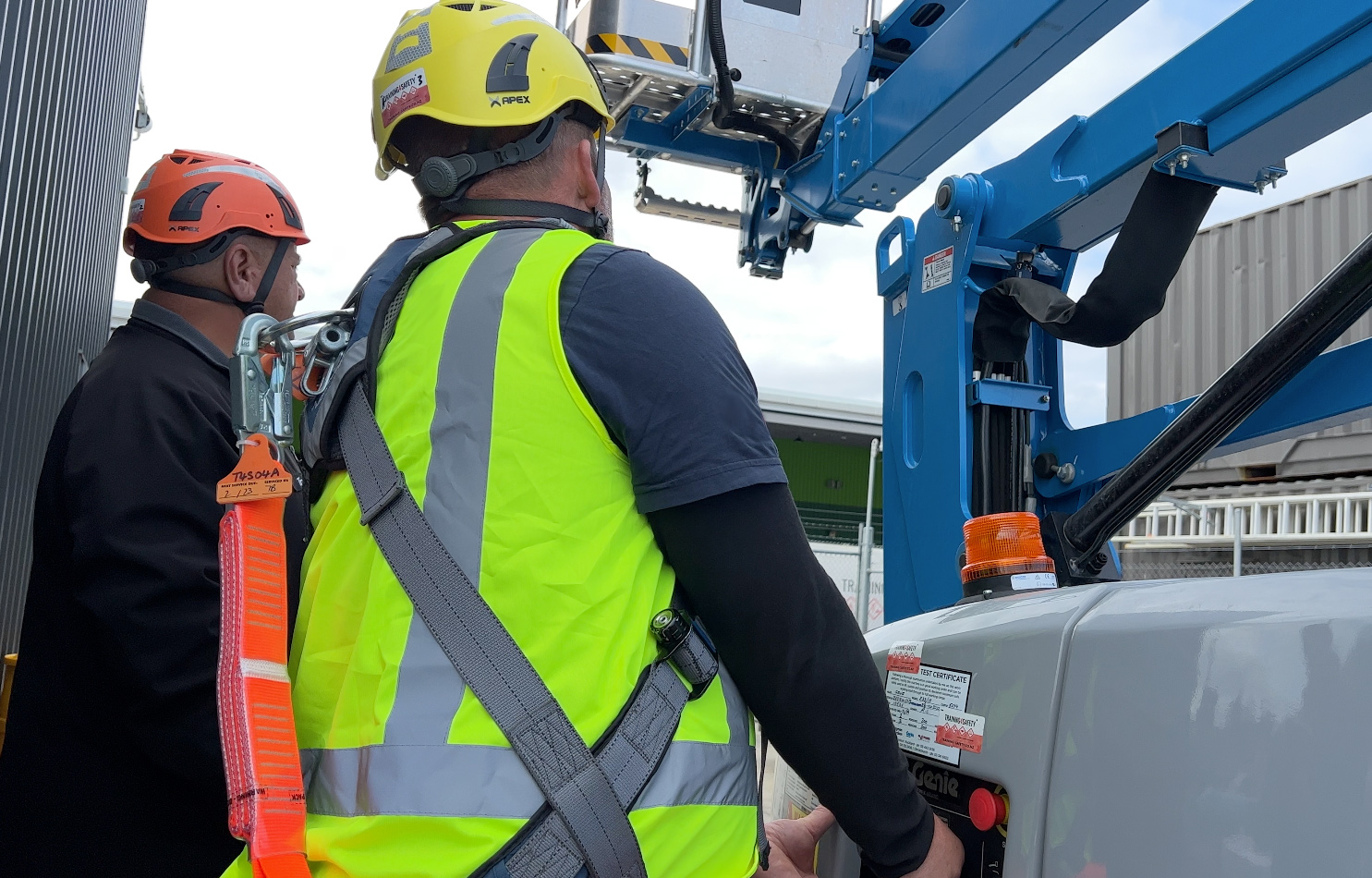
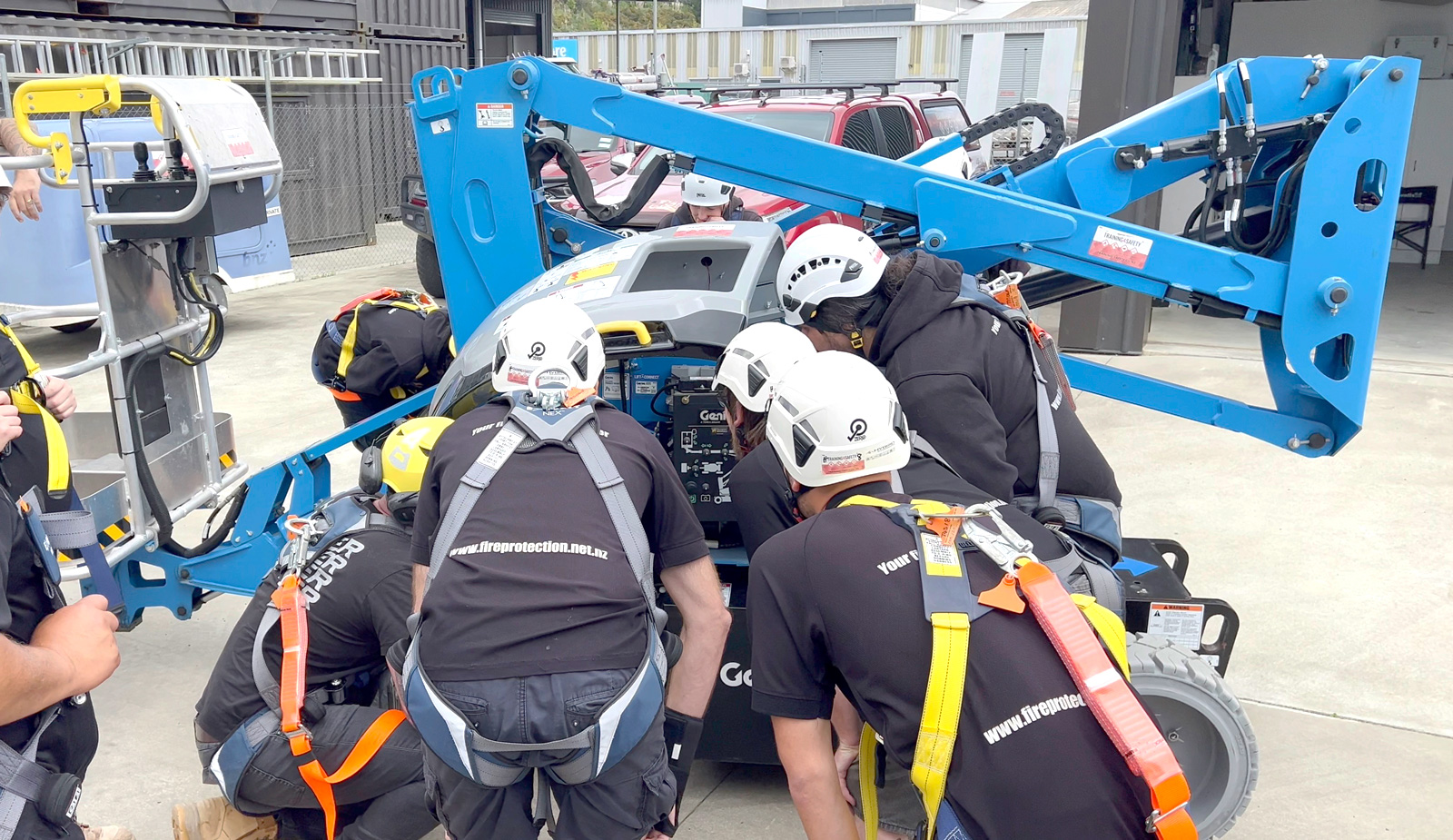
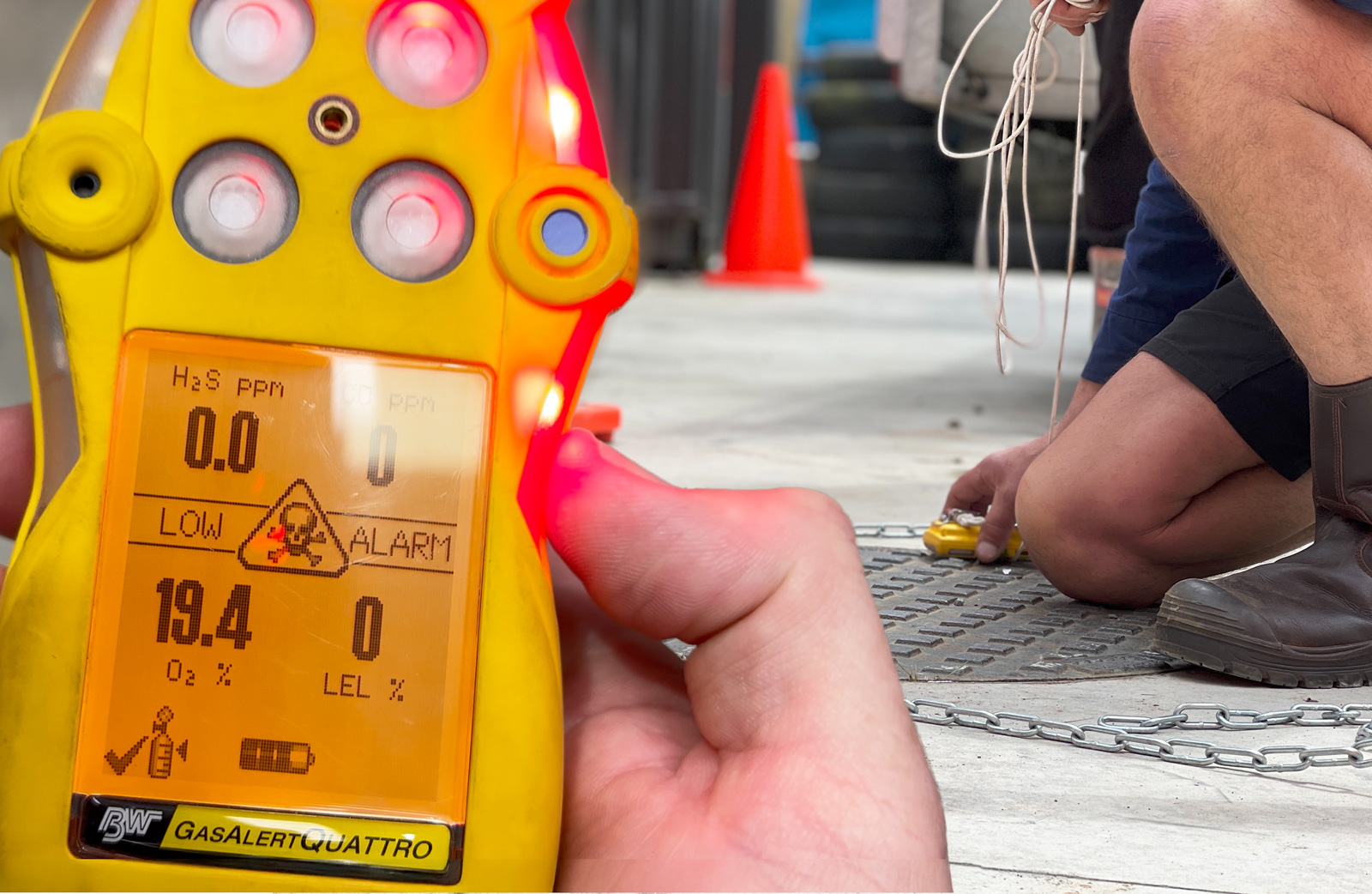
A worker using height safety equipment, operating an EWP, entering a confined space, responding to fire procedures, or providing first aid needs training that is relevant to the real situations they may face at work.
A good refresher should help answer questions such as:
- Has anything changed since the worker last completed training?
- Are they still using the same equipment or procedures?
- Are there new hazards or controls in the workplace?
- Do they still feel confident completing the task safely?
- Has the workplace had any incidents, near misses, or changes that should be discussed?
When refresher training is relevant, workers are more likely to engage with it and apply it back on the job.
Check When Your Team Last Completed Training
A simple but important step for any workplace is to check when staff last completed their training.
It can be easy to lose track, especially when teams are busy, staff change roles, or training records are managed across different systems. However, keeping an eye on refresher dates helps make sure workers remain current and that training is planned before it becomes urgent.
Now is a good time to ask:
When did your team last complete their refresher training?
Are their certificates still current?
Have any workers changed roles, started new tasks, or begun using different equipment?
Are there any areas where your team would benefit from a practical skills refresh?
Some refresher timeframes may be set by industry expectations, company policy, client requirements, or the type of training completed. In many cases, refresher training is not just about the date on the certificate — it is about making sure the person remains competent and safe for the work they are doing.
Practical, Relevant and Fit for Purpose
At Training 4 Safety, our approach is to make refresher training practical, relevant, and focused on real workplace application.
We understand that businesses do not want training that simply repeats information without purpose. A good refresher should reinforce safe habits, update knowledge, confirm understanding, and give workers confidence in what they are doing.
Whether it is first aid, fire safety, working at heights, EWP, confined spaces, de-escalation, workplace safety awareness, or another area of training, the goal is the same: helping people return to work safer, more aware, and better prepared.
Refresher training is more than a tick box. It is part of maintaining a safer workplace, supporting worker competency, and making sure safety knowledge does not get left behind.
If you are not sure when your team last completed their refresher training, now is the perfect time to check your records and plan ahead.